HuaFang Bags: Your Reliable Partner for Quality Wholesale Bags.
Language
HuaFang Bags: Your Reliable Partner for Quality Wholesale Bags.
Why Supply Chain Stability Matters in Bag Manufacturing
For B2B buyers, supply chain disruptions are more than an inconvenience—they directly affect delivery schedules, retail launches, and brand reputation.
In bag manufacturing, risks often come from:
Raw material shortages or sudden price fluctuations
Factory capacity bottlenecks during peak seasons
Logistics delays caused by global shipping disruptions
A reliable backpack supplier is not just about price—it’s about risk anticipation and mitigation.
Huafang’s Supply Chain Resilience Strategy
1. Multi-Source Raw Material Procurement
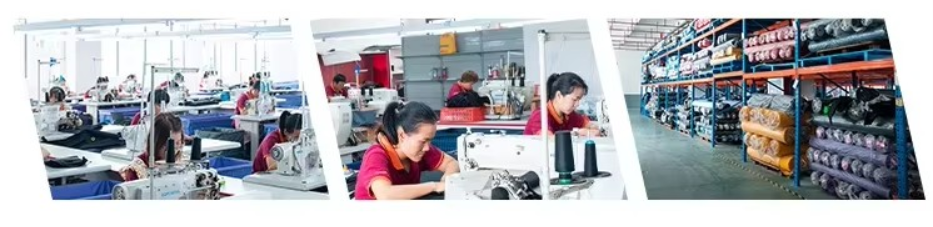
Instead of relying on a single supplier, Huafang maintains multiple qualified material sources for key components such as fabrics, webbing, and hardware.
This approach reduces dependency risk and ensures continuity even during market instability.
2. Safety Stock & Capacity Buffering
We strategically reserve:
Core material safety inventory
Flexible production capacity during peak demand
This allows us to absorb sudden order increases without compromising lead time or quality.
3. Real-Time Logistics Tracking
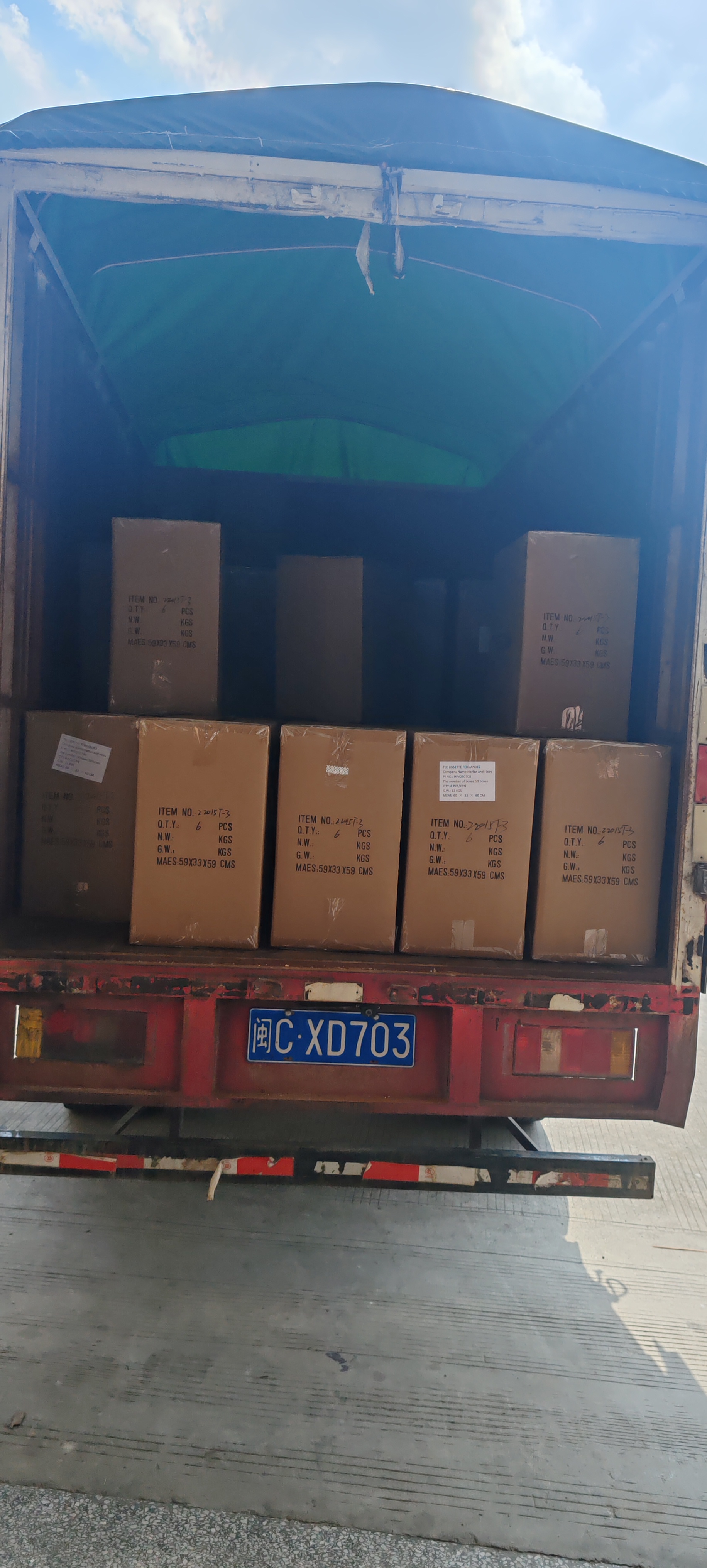
Through coordinated freight partners and internal tracking systems, clients receive:
Transparent shipping updates
Early warnings on potential delays
Alternative routing solutions when needed
We sincerely welcome all friends from home and abroad. We believe we will be your best choice, and you will enjoy a successful cooperation.