HuaFang Bags: Your Reliable Partner for Quality Wholesale Bags.
Language
HuaFang Bags: Your Reliable Partner for Quality Wholesale Bags.
You already know a backpack can look perfect in a catalog yet fail in real life. When you buy at scale, those failures come back as returns, bad reviews, and strained client relationships. Sourcing wholesale laptop backpacks requires more than browsing catalogs and comparing unit prices. You need to align product specifications with real user needs, understand material trade-offs that affect both cost and durability, and structure supplier relationships that deliver consistent quality across production runs. Whether you're developing a private label line, supplying educational institutions, or distributing to retailers, this guide walks you through how to turn a simple backpack for a laptop into a reliable product line by ensuring essential B2B features from trusted wholesale backpack manufacturers like HuaFang Bags.
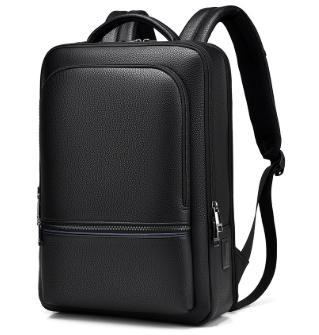
Laptops are now daily essentials for students, remote workers, and corporate teams, so laptop backpacks sell in every segment, all year. That constant, practical need supports steady demand and predictable order volumes.
Function matters more than fashion here, so strong laptop designs stay relevant for years. Buyers prefer to reorder proven models, then refresh colors or branding, which means repeat business without constant redesign.
Schools, companies, and tech retailers all want reliable device protection, just with different looks and budgets. Once you understand each segment’s priorities, you can position each backpack for laptop use precisely and brief manufacturers with confidence.
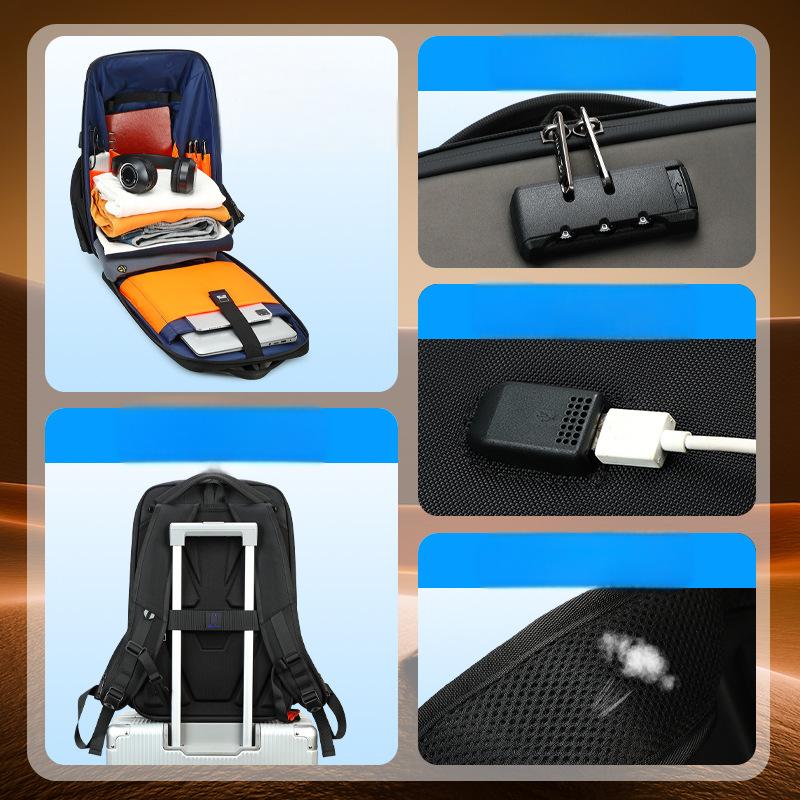
Evaluating a laptop backpack manufacturer requires looking beyond product specifications to assess the services, capabilities, and business practices that determine the success of a long-term partnership.
Strong laptop backpack suppliers do not just ask for liters, as they help you translate end-user profiles into workable capacity bands. They should be able to show how 20–26 liters fit basic school or office users, how 26–32 liters suit heavier daily loads, and how larger volumes support short trips. Good partners propose interior layouts for different device sizes and use cases, rather than leaving you to guess. When you say "student range" or "commuter range," they should respond with specific, tested laptop backpack concepts, not vague sketches.
Your manufacturer should bring a clear material roadmap to the table, not just a pile of swatches. They explain when to use polyester, when nylon is worth the extra cost, and when TPU, PVC, canvas, RPET, PU, or neoprene makes sense for your positioning. They also flag how each choice affects weight, abrasion resistance, and price so that you can decide rather than gamble. This kind of guided selection is a core service, especially when you are building laptop backpacks for several different markets at once.
A capable supplier treats device protection as an engineered system, not a padded afterthought. They propose sleeve placement against the back panel, built-in drop clearance from the base, and specify side padding with measurable foam thickness and density. For higher tiers, they offer semi-rigid or hard shell laptop backpacks and provide simple drop test results so that you can see the difference. You should be able to hand over target laptop dimensions and receive pattern solutions that protect them, not generic "fits 15-inch" labels.
Ergonomics should already be in the factory's pattern library. They show you strap shapes, padding options, and back panel constructions that have proven effective in similar bags, then adapt them to your provided style. Instead of leaving you to design from scratch, they recommend strap widths and S-curves for heavier models and lighter solutions for slim commuters. For larger capacities, they can add sternum straps or internal frames and explain when those features genuinely help your end users. You are buying both patterns and ergonomic know-how.
Manufacturers who understand their craft help you choose the right point on the weather spectrum. They explain the difference between simple DWR finishes, coated fabrics closer to waterproof backpacks, and the seam and zipper work needed to make each level credible. At the same time, they propose back-panel and strap designs that keep airflow moving, preventing overheating. You should see clear options, such as a commuter spec and a high-rain spec, rather than one one-size-fits-all package.
A good partner treats customizable laptop bags as a system of options, not just a logo print. They offer placements on panels, straps, zipper pulls, patches, woven labels, and linings, with guidance on which mix suits promo ranges versus premium collections. They also help you create a consistent trim story so your entry model and your best laptop backpack still look like part of the same family. Over time, that flexibility lets you refresh colors and details without rebuilding every pattern.
Mature factories show you their quality backbone upfront. They can walk you through internal tests on zippers, straps, abrasion, and load, and they share the protocols, not only the marketing claims. Together, you agree on which tests apply to your laptop backpacks and what pass levels you expect before bulk production. They also accept third-party inspections and work with AQL targets instead of resisting outside checks. That structure is a feature of the supplier, not just a box on a form.
Transparency around numbers is another must-have feature. The manufacturer should present clear MOQs by style and color, explain where those numbers come from, and show how they handle wholesale backpacks in bulk across multiple designs. They also outline standard lead times and how these shift at higher volumes or peak seasons. When you ask about scale-up potential, they can describe line capacity and staffing rather than giving a soft promise that "capacity is no problem."
You should expect concrete help on cartons, labels, and basic compliance. A seasoned supplier can propose carton sizes that ship efficiently, suggest packing densities, and apply barcodes, hangtags, and care labels to match your channels. They are familiar with common regulatory expectations for export markets and can share examples from other clients, while still reminding you that final legal responsibility sits with you. This support turns a finished laptop backpack into a ready-to-ship product instead of a project you need to rework.
Finally, reliable after-sales behavior is a feature, not a bonus. Good laptop backpack suppliers assign you a consistent contact who understands both design and production and replies within agreed timeframes. When something goes wrong, they investigate, share findings, and propose corrective actions instead of simply blaming shipping or the customer. Over a few seasons, this communication style becomes as important as any physical spec in keeping your wholesale laptop backpacks program stable.
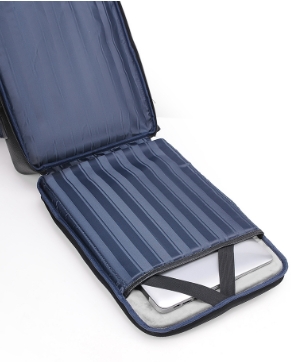
Your sourcing approach determines development timelines, investment requirements, and product differentiation potential. Understanding the practical implications of each model helps you choose appropriately for your business capabilities and strategic goals.
Factor | OEM Manufacturing | ODM Manufacturing |
Definition | You provide complete specifications; factory executes your design | Factory provides catalog designs; you select and customize with branding |
Design Ownership | You own complete intellectual property | Factory owns base design; you own branding elements |
Product Uniqueness | Fully exclusive design competitors cannot replicate | Catalog shared with other buyers; differentiation limited to branding |
Development Investment | High upfront costs for tooling, patterns, prototyping | Minimal investment; only customization and branding costs |
Typical MOQ | 1,000-2,000 units to justify development expenses | 500-1,000 units for existing catalog designs |
Time to Market | 60-90 days for new product development including sampling and refinement | 30-45 days from order to delivery, with sample approval taking approximately 15 days |
Customization Depth | Complete control over materials, construction, features, and aesthetics | Limited to colors, logo placement, minor feature adjustments |
Unit Cost | Lower at volume due to production optimization for your specs | Slightly higher but faster ROI and lower risk |
Risk Profile | Higher upfront risk; lower long-term competition risk | Lower entry barriers; higher competitive pressure |
Scalability | Requires significant volume to justify investment | Easy to test markets and scale gradually |
Best Applications | Core products, established brands, markets demanding differentiation | Market testing, quick launches, complementary items, budget-constrained entry |
Supplier Flexibility | Requires manufacturers with design and development capabilities | Most factories offer ODM from existing catalogs |
Strategic buyers often use both models simultaneously rather than choosing exclusively. Core products representing significant volume and brand identity warrant OEM investment. The differentiation justifies development costs when amortized across large order quantities. Complementary items filling out product lines use ODM for efficiency since these SKUs don't require uniqueness to succeed.
Hybrid approaches offer a middle ground. Some manufacturers allow substantial modifications to catalog designs, providing more differentiation than standard ODM without OEM's full investment. Discuss hybrid possibilities during supplier evaluation to understand what flexibility exists between the two extremes.
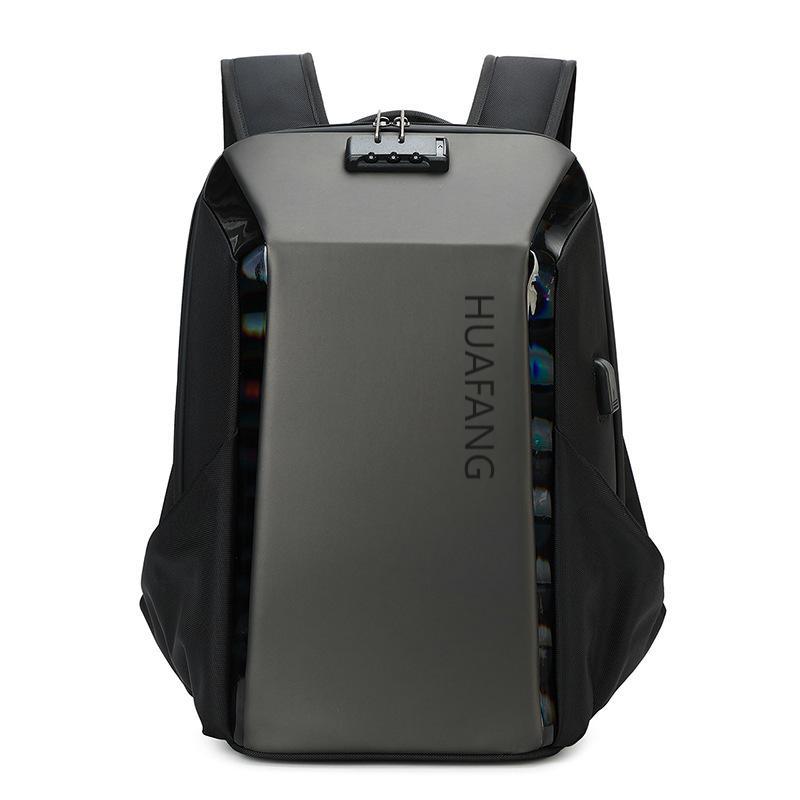
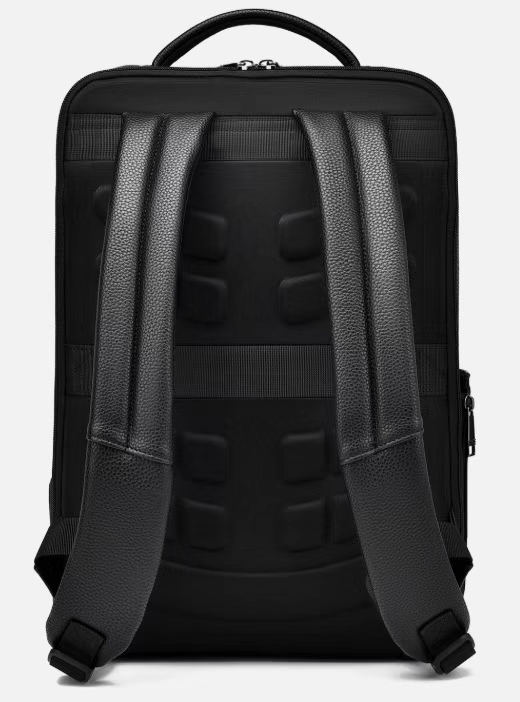
If you want a supplier that does more than just stitch laptop backpacks, HuaFang Bags works as a full OEM and ODM partner. Our team can source and qualify materials for business and school bags, laptop bags, outdoor and gym styles, baby and pet carriers, recycled bags, and more, then manage quality from sampling through shipment. In-house testing equipment covers zipper cycling, pull strength, tensile testing, color difference, and rubbing tests, so your quality plan can plug into real lab capabilities rather than guesswork.
For planning, typical MOQs start from around 500 pieces per style or color, which works well for both startups and established brands testing new ranges. Standard sample times are usually 5 to 10 days, with bulk production taking about 30 to 45 days after sample and deposit confirmation, depending on customization and volume.
You also work with an experienced sales and development team accustomed to global buyers. They help refine specs, flag potential issues early, and keep projects moving on schedule. If you are planning your next laptop backpack collection or upgrading an existing line, you can share your size, style, material, and accessory requirements, and HuaFang will handle the rest of the production details.
MOQs vary by factory, yet many start at a few hundred pieces per style and color. HuaFang Bags offers an MOQ of 500 pcs per model while accepting as low as 50 pcs per model if the selected product is in stock.
Most buyers focus on one or two core fits, such as a slim option for 13- to 14-inch devices and a larger one for 15- to 16-inch machines. If you serve business clients who still use larger hardware, you might add a dedicated large-format design, but each extra size means another SKU to manage.
You can combine third-party inspections with detailed photo and video reports from the supplier. Specify what you want inspectors to check, such as stitching, strap pull tests, zipper runs, and sample measurements.
Sourcing wholesale laptop backpacks successfully requires balancing technical specifications, manufacturing capabilities, and business practices. Understanding capacity requirements, material trade-offs, protection standards, and quality systems separates buyers who build sustainable product lines from those who encounter costly surprises. Start with clear specifications, choose manufacturing partners such as HuaFang Bags who demonstrate both technical competence and business professionalism, and scale relationships as you prove market fit.
We sincerely welcome all friends from home and abroad. We believe we will be your best choice, and you will enjoy a successful cooperation.